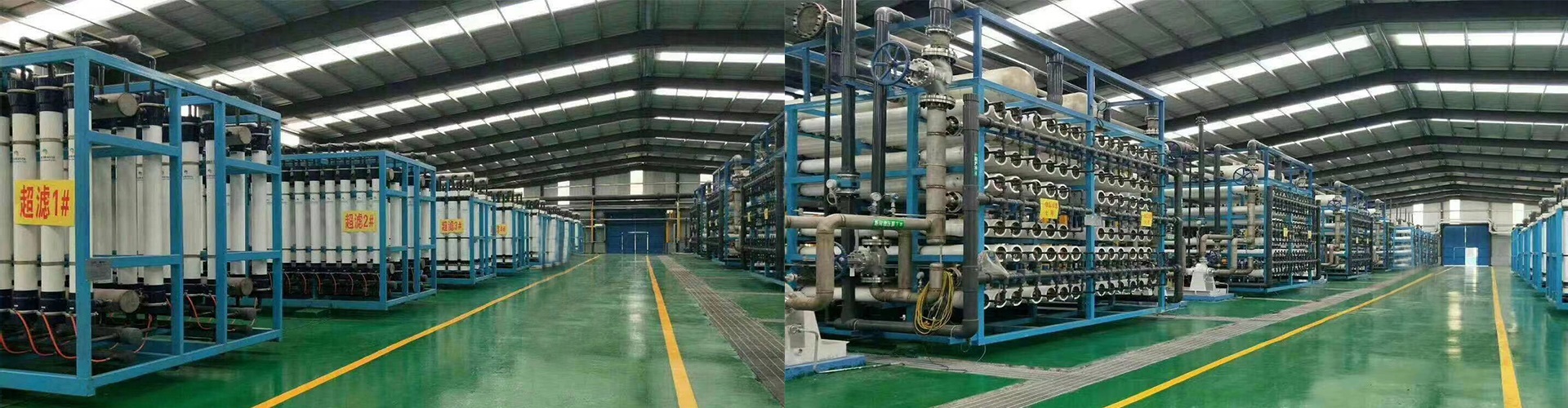

The term water purification ultrafiltration membrane is familiar to everyone in the water treatment industry. It has special hydrophilic properties, can achieve high water flow under ultra-low pressure, has ultra-high filtration accuracy, strong mechanical hardness, and is a relatively stable water treatment product. A good product needs to be cleaned after running for a period of time to maintain and ensure the normal operation of the ultrafiltration membrane. How to maintain it is also crucial. Here, the editor shares several cleaning methods related to ultrafiltration.
Some users may purchase the next replacement ultrafiltration membrane in advance. The ultrafiltration membrane is the main core component in ultrafiltration equipment, but if not properly protected, membrane damage can affect the quality of the produced water.
It is recommended that unopened ultrafiltration membranes be immersed in membrane protection solution and sealed before use to prevent pore shrinkage and membrane performance damage, which may affect water quality.
What are the maintenance methods to pay attention to when the ultrafiltration equipment is stopped from use?
1. If the ultrafiltration membrane is suspended for less than 10 days, it should be backwashed (adding 15ppm (ml/L) of HY-240 disinfectant for disinfection). Then close the inlet valve, outlet valve, and regulating valve of the ultrafiltration membrane to maintain its sealing and disinfection. (For short-term maintenance use)
2. If the ultrafiltration membrane is suspended from use for more than 10 days, it must be disinfected and backwashed once before being sealed with HY-310 protective solution for storage. (Long term maintenance and use)
After using the membrane for a period of time, if you want the membrane to have a long service life, it is necessary to regularly clean the ultrafiltration membrane, which can also prevent the membrane from being contaminated and ensure smooth water filtration. There are many methods for cleaning ultrafiltration membranes, including conventional physical methods. When encountering substances that are difficult to remove, chemical methods are chosen for cleaning.
Normal maintenance and cleaning methods for water purification ultrafiltration membranes:
1. Sponge ball cleaning
Choose a sponge ball of the same diameter as the membrane tube, use the tube to repeatedly wipe it through the membrane tube, and it can be used repeatedly.
2. Hot water flushing method
The hot water washing method heats water to (30-40 ° C) and then flushes the surface of the film. This method is effective in removing viscous or hot soluble impurities.
3. Chemical cleaning method
The chemical cleaning of ultrafiltration membranes requires the selection of corresponding chemical agents based on the types of pollutants and impurities to achieve the desired cleaning effect.
Alkaline solution cleaning: commonly used alkaline NaOH. The pH of the prepared solution is approximately 10-12. After the water circulation operation, it can be cleaned or soaked for 0.5-1 hour before cleaning. Can effectively remove impurities and grease.
Oxidizer cleaning agents: H202 and NaC10 are commonly used bactericides for ultrafiltration membranes. Selecting 1%~3% H2O2, 500~1000mg/L NaC10 and other aqueous solutions for cleaning is very effective in removing dirt and disinfecting bacteria.
Protein precipitation in the food industry is carried out using gastric trypsin solvents or phosphates, silicate based alkaline detergents, and requires disinfection (using NaOH and H2O2, etc.).
The chemical cleaning method is the same as the normal cleaning process of ultrafiltration membrane. Pour the corresponding cleaning solution into the original solution port, which will automatically infiltrate into the concentrated layer and return to the cleaning solution container. After a cycle, it will be discharged and rinsed with clean water.
Having a habit of regularly cleaning ultrafiltration membranes can not only maintain the membrane system and ensure water quality meets standards, but also prevent the lifespan of the membrane from being shortened.